Best Long Range Metal Detectors UK 2026
Written by Piotr Lesniewski
Detectorist • Scotland
As an Amazon Associate we earn commission from qualifying purchases. Read our full Affiliate Disclosure.
When I talk about a long range metal detector in the UK, I do not mean a gadget that claims to find treasure from miles away. I mean a proper metal detector that can hold a stable signal on deeper targets, keep target information useful at the edge of detection, and let me work old ground slowly without guessing every faint sound. Proper depth is not just hearing something once. It is getting enough repeatability, audio shape, and target ID behaviour to decide whether a deep whisper is worth opening a careful plug for.
Real range comes from coil control, coil size, ground balance, sensitivity, recovery speed, target ID stability, audio discipline, and the ability to stay calm over mineralised or iron-contaminated UK soil. A deep detector that chatters all day is not long range in any useful sense because the extra noise makes you second-guess the exact signals you bought it to find. I want reach I can actually trust, especially on old pasture, compacted stubble, ploughed ground, and wet sites where a coin at depth can sound thin, clipped, or slightly dragged by the soil.
My Short Answer
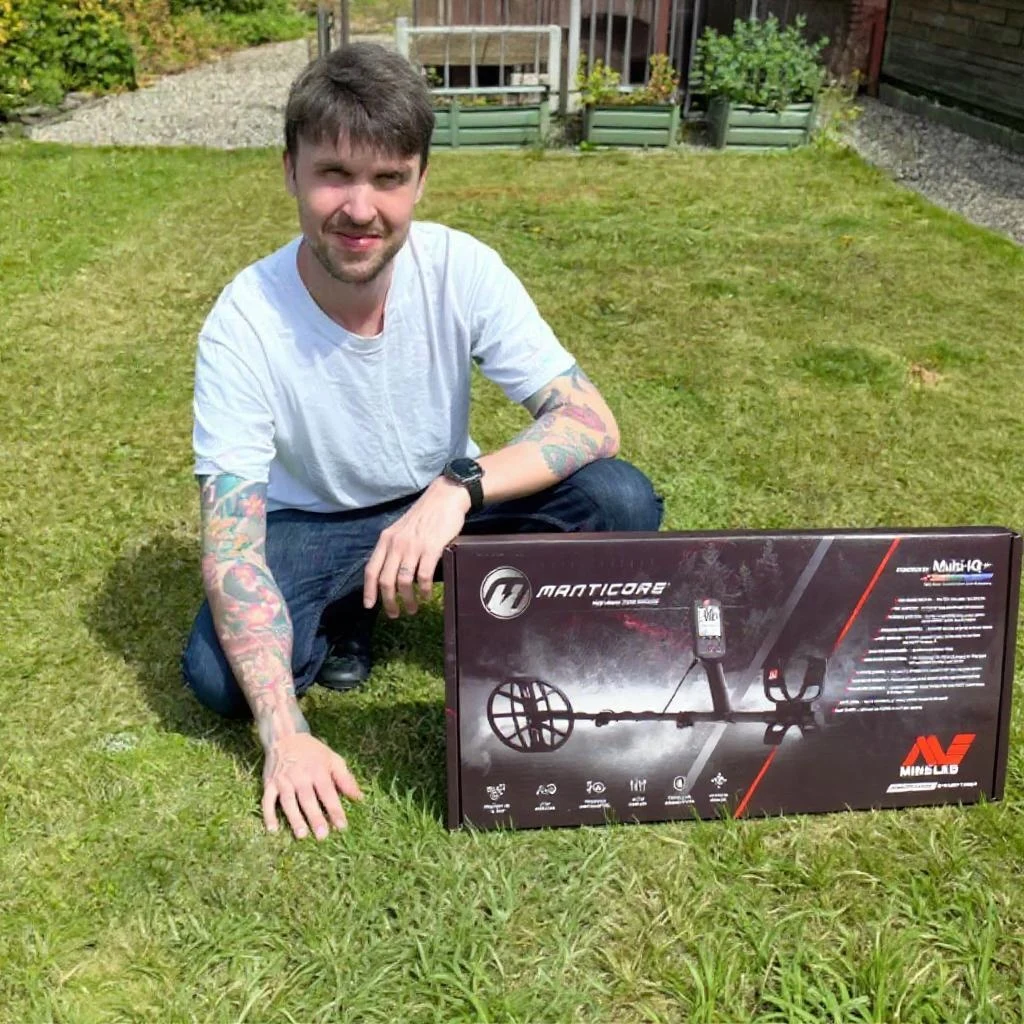
If I was buying one long range metal detector for serious UK detecting in 2026, I would buy the Minelab Manticore metal detector first. It gives me the best mix of deep target information, stability, speed, waterproofing, and modern usability when a signal is right on the edge. More importantly, it gives me a better chance of separating a deep non-ferrous target from a tired high tone, an iron false, or a piece of rubbish that only sounds convincing from one direction.
If I was hunting deep coins slowly, I would still consider the Minelab CTX 3030 metal detector. If I needed lightweight range for long sessions, I would choose the XP Deus II metal detector. If I wanted strong all-terrain depth without flagship cost, I would look at the Minelab Equinox 900 metal detector. If value, ruggedness, and a two-coil package mattered most, the Nokta Legend 2 metal detector would stay on the shortlist. The right answer depends on how you hunt deep ground: slow coin checking, all-day roaming, wet sand, iron-heavy pasture, or a mixed bag of permissions where you need useful depth without turning every session into a settings experiment.
My Top Pick
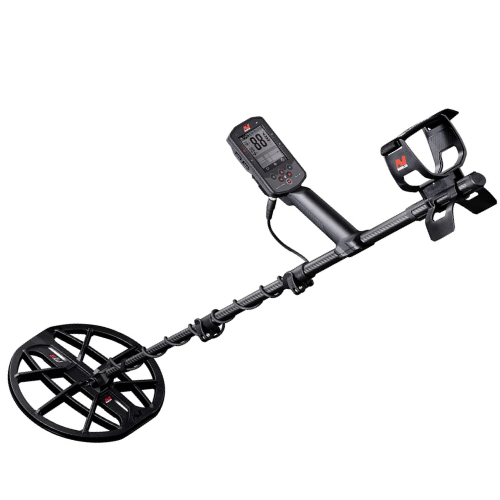
Minelab Manticore metal detector
Reason To Buy
I recommend the Minelab Manticore metal detector as the best long range metal detector for most serious UK buyers because it gives me strong depth with useful target context. The 2D target trace, Multi-IQ+ platform, fast recovery, and stable beach and field behaviour make it easier to decide whether a faint signal deserves a careful dig. That matters because the deepest useful targets are rarely loud and tidy. They are often narrow, clipped, slightly broken, or competing with iron and mineralisation, so I want a detector that helps me judge the shape of the signal rather than simply making it louder.
I Would Recommend This If
- + You want maximum useful information on deep, borderline UK signals where audio strength alone is not enough to make a confident dig decision.
- + You hunt pasture, stubble, beach, and iron patches rather than one easy site, so you need depth that stays usable as the ground changes.
- + You are willing to learn audio, ferrous limits, and screen feedback properly because the Minelab Manticore metal detector rewards careful interpretation.
- + You want a flagship depth tool that can still move quickly when a permission has both clean ground and awkward contaminated patches.
I Wouldn't Recommend This If
- - You want the cheapest way to find deeper targets and would rather accept less information at the edge of detection.
- - You dislike interpreting ferrous limits, audio nuance, and target trace when a deep signal is faint or partially masked.
- - You only need casual depth for occasional easy permissions where a simpler metal detector would already find the obvious targets.
As an Amazon Associate we earn from qualifying purchases.
What Long Range Really Means
I am not interested in fantasy long-range locator claims. A useful long range metal detector is one that can keep a weak target repeatable, tell me enough about the target to avoid obvious iron, and stay settled while the ground changes. The deepest useful detector is rarely just the loudest detector, because loud unstable audio can make an iffy target feel more convincing than it really is. I am looking for controlled depth: the sort of reach where a non-ferrous target still has a repeatable edge, the numbers still make some sense, and the audio does not collapse every time I turn ninety degrees.
That is why this list favours proven multi-frequency platforms, good target ID, capable coils, proper ground handling, and machines that reward a slow sweep. Depth is only valuable if you can still make a sensible dig decision. A bigger coil can help, but only if the site will tolerate it; extra sensitivity can help, but only if the metal detector stays stable; slower recovery can add reach, but only if the ground is clean enough for the target not to smear into nearby iron.
Minelab Manticore metal detector
Best Overall Long Range DetectorI Recommend This If...
- + You want deep target power with extra visual context before you dig, especially when a faint signal is repeatable but not clean enough to trust by tone alone.
- + You need one metal detector for old pasture, wet sand, stubble, and iron-contaminated permissions where depth only matters if the target information stays readable.
- + You are ready to learn a serious metal detector rather than just chase loud signals, because the best Manticore depth comes from listening to shape, trace, and repeatability together.
- + You want a high-ceiling setup that still works across normal UK sites, so you can push for deep targets without owning a specialist unit for every permission.
Best Overall Long Range Detector: Minelab Manticore Metal Detector
The Minelab Manticore metal detector is my first choice because it combines genuine reach with better target context than a simple number. The M11 coil, Multi-IQ+ platform, 0-99 target ID, ferrous information, and waterproof 5 m build give it the kind of flexibility I want on deep UK permissions. On a real site, that flexibility matters more than a clean air-test figure, because the targets I care about are usually masked, tilted, mineral-stained, or sitting just beyond the depth where cheaper metal detectors give a tidy answer.
The reason I rate it here is not just depth. It is what happens when a target is faint, close to iron, or sitting in ground that keeps trying to drag the audio around. The Manticore gives me more clues before I commit to a deep plug. I can use the sound, the trace, and the way the target holds together from different directions to decide whether I am hearing a proper deep non-ferrous target or an iron edge trying to buy my attention.
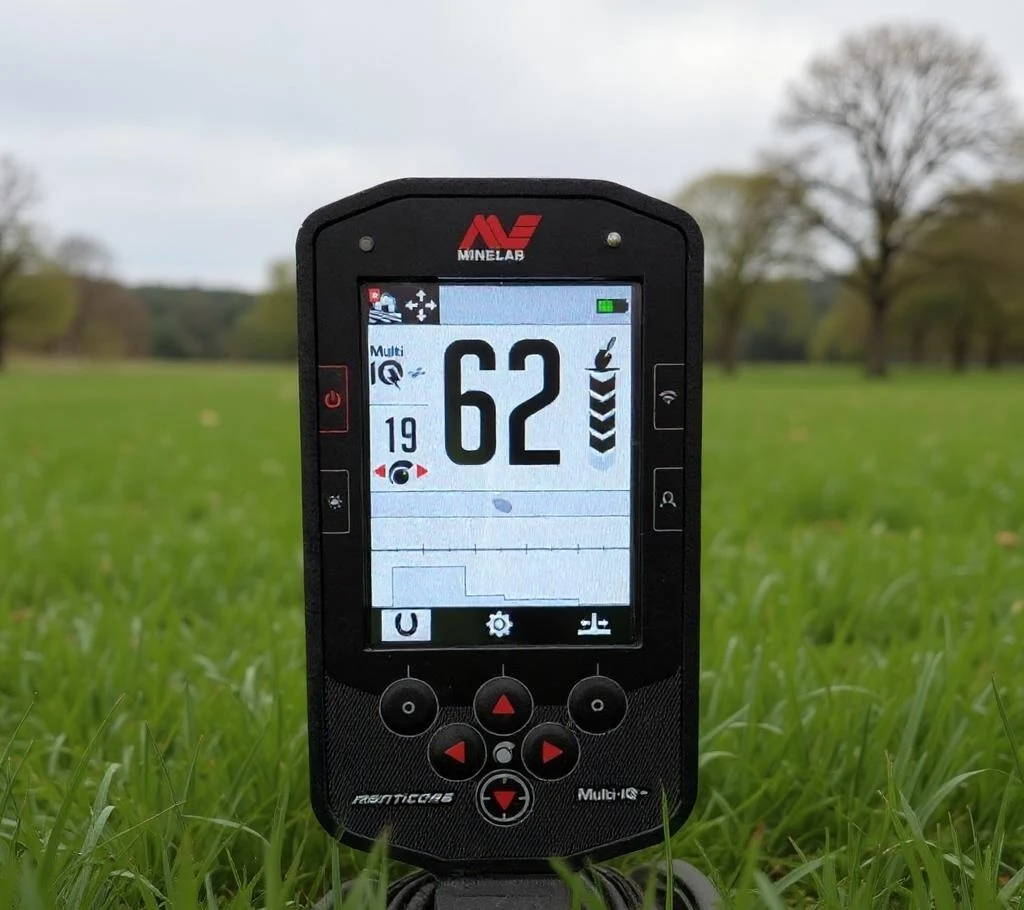
I like it most on ground where range and judgement have to work together. A weak repeatable tone is not enough on its own. I want to know whether that tone is clean, smeared, iron-adjacent, or only good from one angle. That is where the Manticore earns its price. The Minelab Manticore metal detector does not make every deep signal easy, but it gives me more reasons to believe or reject a signal before I disturb a compacted pasture plug or chase something that sounded good only because I was sweeping too quickly.
The catch is that the Minelab Manticore metal detector is not a shortcut. If you leave every setting alone and dig by confidence meter alone, you are wasting what makes it special. I would buy it for serious long-range detecting only if I was prepared to learn the audio, target trace, and ferrous limits properly. If you put that time in, the payoff is not just extra inches; it is fewer lazy digs, better judgement on borderline targets, and more confidence when the best find of the day is only a small, repeatable hint under the coil.
Minelab CTX 3030 metal detector
Best Deep Coin And Target ID Specialist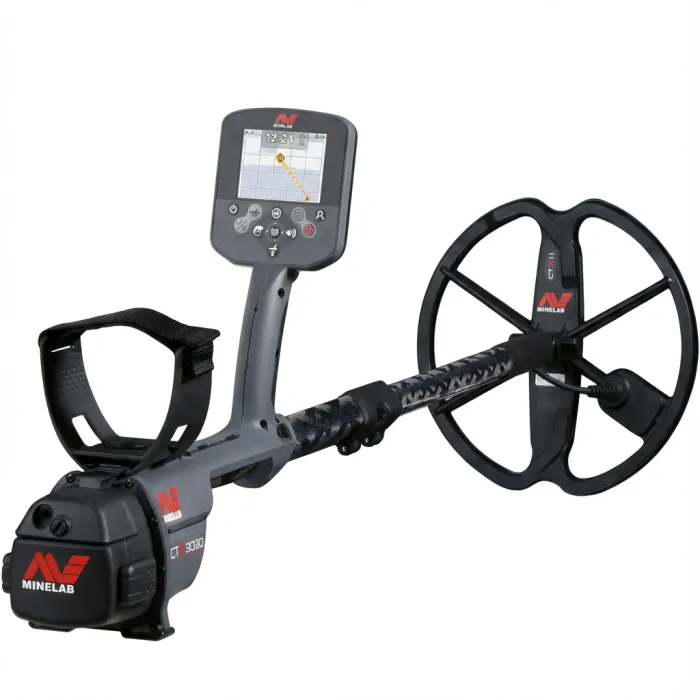
I Recommend This If...
- + You work old coin sites slowly and value ferrous/conductive information because your deep targets need more judgement than a single high tone.
- + You accept weight in exchange for a proven deep target platform that still makes sense when repeatable conductive signals are the main prize.
- + You want a specialist rather than the easiest all-rounder, and you are happy to slow your sweep right down to pull better information from the ground.
- + You regularly hunt old pasture, parks, or worked permissions where the difference between deep iron and a deep coin is worth studying properly.
Best Deep Coin And Target ID Specialist: Minelab CTX 3030 Metal Detector
The Minelab CTX 3030 metal detector still belongs in a long range conversation because it was built for slow, deliberate target analysis. The FBS 2 platform, Smartfind 2 ferrous/conductive display, 11 inch DD Smart coil, and 3 m waterproofing make it a deep coin specialist rather than a modern lightweight generalist. The Minelab CTX 3030 metal detector is at its best when the site is old enough to justify patience and the target needs more checking than a quick number flash on the screen.
I would choose it when I wanted to work an old permission carefully and squeeze more information from deep conductive signals. It is not quick or fashionable, but it can still make sense when the job is old coins, mixed iron, and patient target checking. On those sites, depth is not about racing to cover the most acreage. It is about keeping the coil low, listening for weak repeatable edges, and using the ferrous/conductive picture to decide whether a target has enough quality to deserve a deep hole.

The CTX 3030 rewards a different style of hunting. I would not buy it to race across stubble. I would buy it to slow down, keep the coil controlled, and interrogate signals that cheaper metal detectors flatten into a vague high tone. When the ground is reasonably open and the target is deep enough to lose crispness, the Minelab CTX 3030 metal detector gives me a slower but more deliberate way to ask whether that signal is a coin, a shaped non-ferrous item, or just iron giving one flattering response.
The catch is obvious the moment you swing it for a few hours: weight. The Minelab CTX 3030 metal detector is heavy, older, and not as easy to recommend as the Manticore for general use. It ranks this high only because deep target ID still matters if you know exactly why you want it. If your long-range detecting is mostly long days over uneven fields, the fatigue will cost you depth by the afternoon; if your long-range detecting is slow, methodical coin hunting, the extra information can still justify the compromise.
XP Deus II metal detector
Best Lightweight Long-Session Detector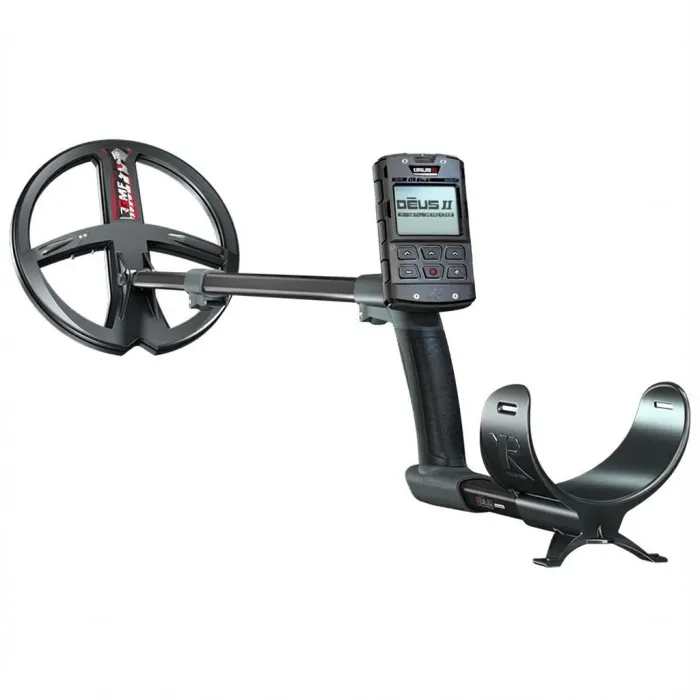
I Recommend This If...
- + You need deep performance without arm fatigue taking over the day, because tired coil control quickly turns theoretical depth into missed faint targets.
- + You enjoy tuning audio, reactivity, programs, and coil choice, and you are willing to adapt the XP Deus II metal detector to each depth problem.
- + You want a long-session metal detector for fields, beaches, and travel where comfort helps you keep the coil low and the sweep consistent.
- + You care about hearing small changes in deep audio rather than relying only on screen numbers that become less stable at the edge of detection.
Best Lightweight Long-Session Detector: XP Deus II Metal Detector
The XP Deus II metal detector earns its place because long range detecting is not only about peak depth on a test target. It is also about how well you can keep swinging, listening, and making careful decisions after hours on a permission. The Deus II is light, fast, waterproof, and extremely capable when tuned well. That lightness is not a comfort bonus for me; it is part of the depth equation because a steady controlled sweep will find more faint targets than a tired uneven swing with a heavier metal detector.
I like it for long days where fatigue ruins depth. A heavy detector can look impressive on paper, but if your swing gets lazy after lunch, your real range drops. The XP Deus II metal detector keeps you working properly for longer. That means the coil stays closer to the soil, the sweep speed stays more deliberate, and the deep audio has a better chance of repeating instead of being clipped by rushed technique.
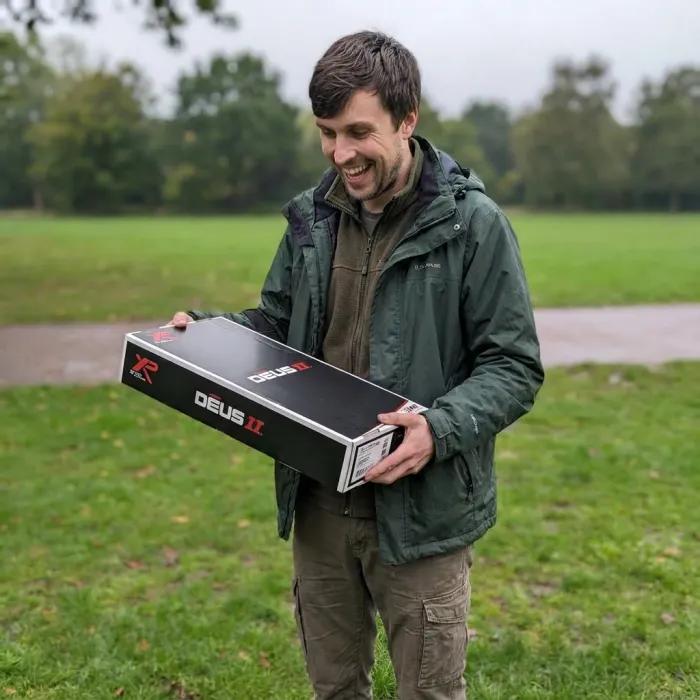
Where it shines is controlled, patient detecting over large ground. With the right program and coil discipline, it will hit very faint targets while still letting you move efficiently. It is also a strong option if your long-range work includes beaches or wet conditions. I would particularly consider the XP Deus II metal detector when the day is going to be long, the terrain is uneven, and I need enough depth to stay serious without carrying something that makes me shorten the session.
The catch is the learning curve. The XP Deus II metal detector rewards users who understand audio and settings. If you want a simple deep-seeking setup with less tuning, the Equinox 900 or Legend 2 may feel more comfortable. I would not buy the Deus II just to run a default program and hope for magic depth; I would buy it because I wanted to tune reactivity, audio response, and coil behaviour until the metal detector matched the permission in front of me.
Minelab Equinox 900 metal detector
Best All-Terrain Depth Without Flagship Cost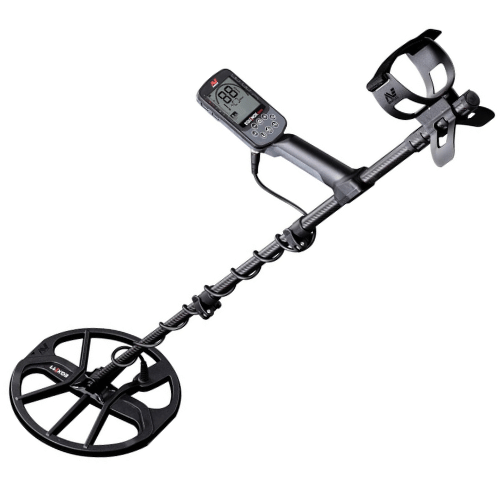
I Recommend This If...
- + You want strong all-terrain depth without Manticore pricing, and you are prepared to trade some target trace detail for a simpler overall setup.
- + You want two coils, Multi-IQ, and a wide 119-segment target scale because you hunt enough different sites for depth and separation to both matter.
- + You want a metal detector that is deep but still practical for regular UK use, with enough control for difficult soil without feeling like a pure specialist.
- + You want to cover fields, parks, and beaches with one unit while keeping the option to fit the smaller coil when iron or stubble limits depth.
Best All-Terrain Depth Without Flagship Cost: Minelab Equinox 900 Metal Detector
The Minelab Equinox 900 metal detector is the sensible depth pick when the Manticore feels like too much money. It gives you Multi-IQ, a 5 m waterproof rating, the EQX11 and EQX06 coils, strong ground balance options, and a wide ferrous/non-ferrous target ID scale. That specification set matters because depth is rarely one job: one permission may need the 11 inch coil for coverage and reach, while another may need the smaller coil to keep targets separate around iron or awkward stubble.
In the field, that means you get a detector that can chase deep targets without becoming a specialist burden. It is lighter than the CTX 3030, simpler than the Manticore, and more complete than cheaper entry-level depth options. The Minelab Equinox 900 metal detector gives you enough reach to work serious sites but does not demand that every hunt becomes a technical exercise in target trace interpretation.
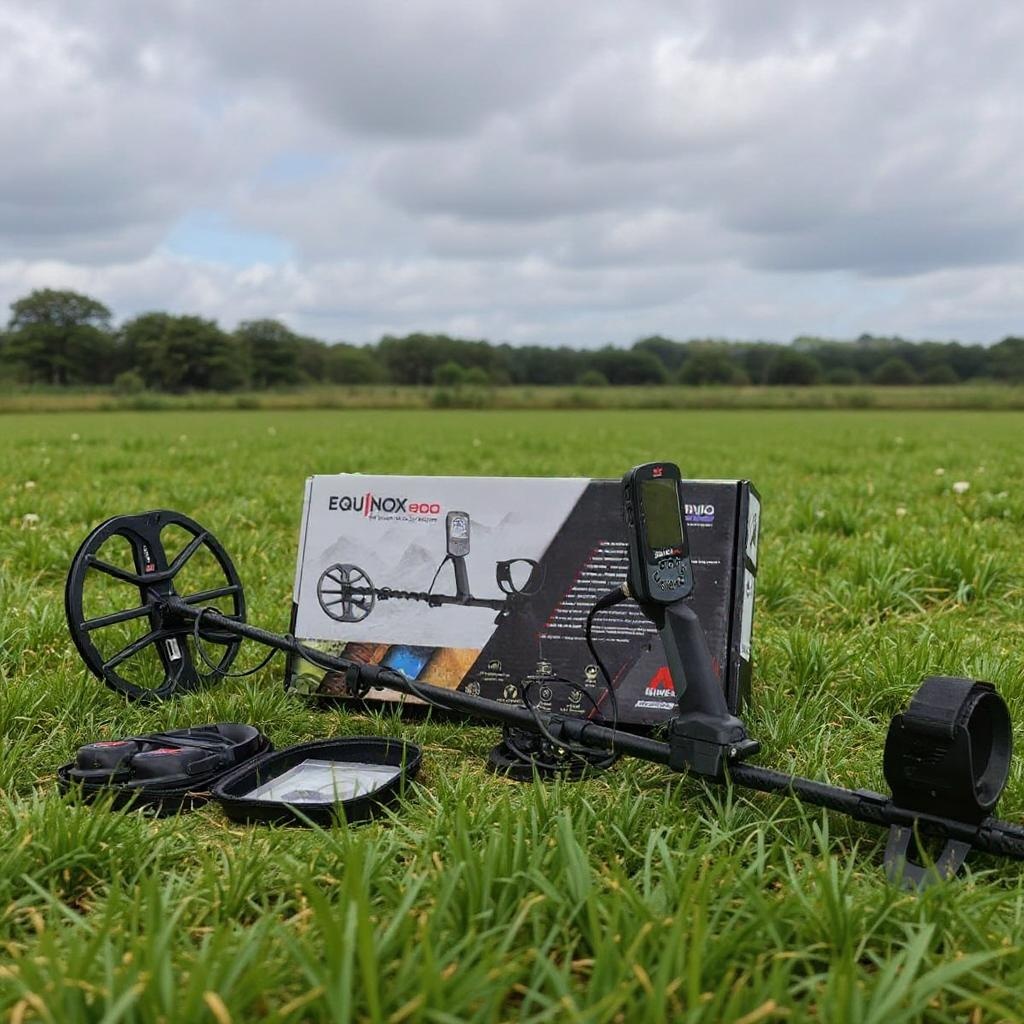
I would recommend the Equinox 900 to someone who wants strong depth across fields, parks, and beaches but does not want to buy the most expensive detector available. It is a practical metal detector for real permissions rather than a trophy purchase. When the soil is behaving, it has the reach to chase older targets; when the site gets messy, the coil options and ground handling let you keep the depth usable instead of simply turning sensitivity up and hoping.
The catch is that it does not give the same target context as the Manticore or the same specialist deep coin screen as the CTX 3030. If you can accept that, the Minelab Equinox 900 metal detector is one of the most balanced long-range choices here. I would place it above cheaper depth picks for anyone who wants proper all-terrain performance, but below the flagships for detectorists who regularly need the extra confidence on the faintest, most ambiguous targets.
Nokta Legend 2 metal detector
Best Rugged Value Long Range Alternative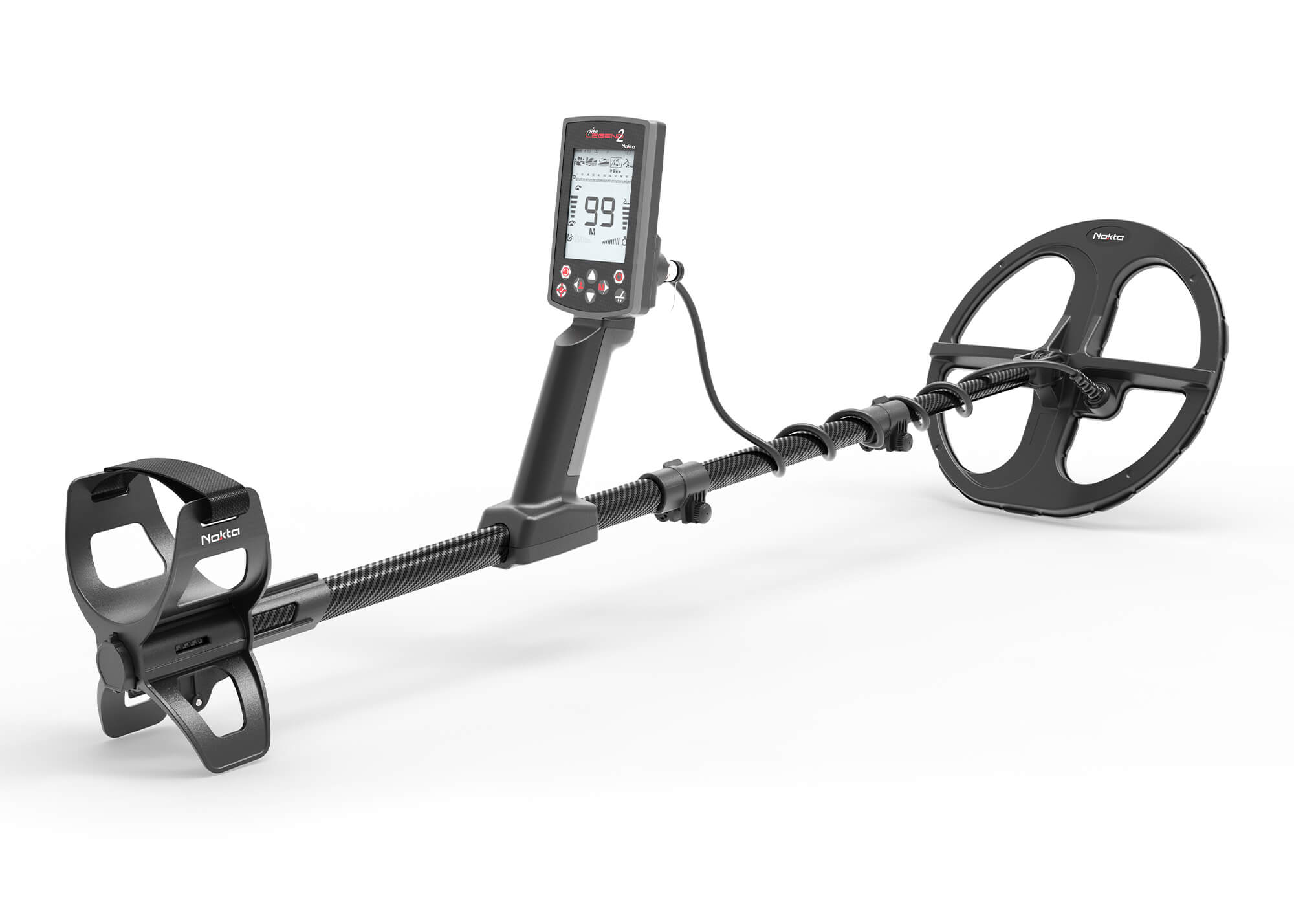
I Recommend This If...
- + You want serious reach, ruggedness, and value in one package, especially if you would rather spend money on permissions and accessories than a flagship screen.
- + You like the idea of two coils, Relic mode, and 01-99 target ID because you want to tune depth and separation to the site instead of being locked into one coil feel.
- + You want waterproof SMF performance without flagship Minelab money, but you still expect enough stability to judge faint targets sensibly.
- + You are upgrading from a simpler metal detector and want more depth headroom without jumping straight into the most expensive end of the market.
Best Rugged Value Long Range Alternative: Nokta Legend 2 Metal Detector
The Nokta Legend 2 metal detector is the value outsider in this long-range list. It brings simultaneous multi-frequency, 5 m waterproofing, 01-99 target ID, automatic/manual/tracking ground balance, a 1.2 kg build, and both LD28 and LD21 coils in the package. That gives the Nokta Legend 2 metal detector a stronger depth argument than a basic value pick, because you are not stuck with one coil size when the site asks for either reach or tighter separation.
That two-coil setup matters for real range. The larger 11 inch coil gives useful coverage and depth, while the smaller coil helps when iron or stubble makes a big coil clumsy. I like that the Legend 2 gives a buyer options without making them spend immediately after purchase. On UK ground, that flexibility is worth more than a single headline depth claim, because the best coil for pasture may be the wrong coil for a nail-infested farm track or a rough wet field margin.
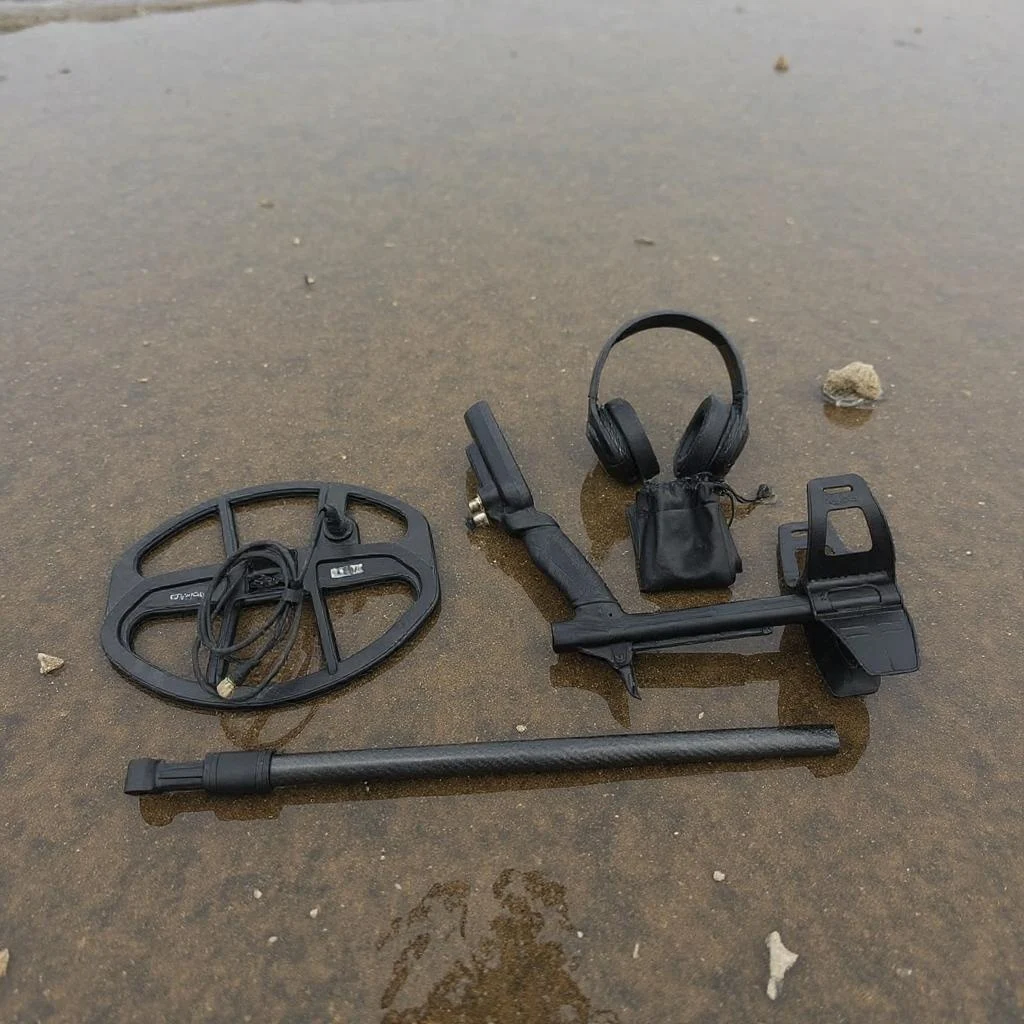
I would use it as a serious all-terrain option for someone who wants strong depth but also wants a tough, modern, waterproof platform. Relic mode, FerroCheck, wireless audio support, and vibration all help it feel more complete than a simple budget deep seeker. The Nokta Legend 2 metal detector is not just trying to be cheap; it gives you enough control to decide whether a deep response has shape, repeatability, and enough non-ferrous quality to dig.
The catch is that the Manticore, CTX 3030, and Deus II still offer more specialised depth advantages in their own ways. The Nokta Legend 2 metal detector makes this list because it is the best rugged value alternative, not because it replaces every flagship on the hardest sites. I would recommend it when budget discipline matters but you still want a waterproof simultaneous multi-frequency metal detector that can work deeper ground with proper technique instead of feeling like an entry-level compromise.
How I Would Choose Between Them
If your only question is maximum depth, read my best metal detector for depth guide as well. This page is narrower: I am choosing the long range metal detectors I would trust when depth, target information, and real UK usability all matter together. A metal detector that wins a depth test in clean soil can still be the wrong buy if it makes you dig too much iron, tires your arm, or loses useful target behaviour as soon as the permission gets mineralised.
If you already know you want a professional metal detector, the Manticore is the easiest all-round answer. If old coins are the job, my coin detector guide is the better place to compare target ID and repeatability. If your main problem is fatigue over large permissions, the Deus II deserves more attention than its raw depth position suggests, because a comfortable metal detector often gives better real range by keeping your sweep disciplined until the end of the day.
For extra reach, do not obsess over one headline depth claim. Match the search coil to the site, learn ground balance, keep sensitivity stable, understand target ID, and do not overdo discrimination when you are chasing faint deep targets. The deepest finds usually come from boring discipline: a level coil, a slower repeatable sweep, stable sensitivity, and the patience to check a signal from more than one direction before deciding it is too broken to dig.
Quick Summary
| Rank | Detector | Best For | Main Tradeoff | Buy |
|---|---|---|---|---|
| 1 | Minelab Manticore metal detector | Best overall long-range/deep target detector | Expensive and rewards careful learning | Amazon |
| 2 | Minelab CTX 3030 metal detector | Best deep coin and target-ID specialist | Heavy and older than the modern flagships | Amazon |
| 3 | XP Deus II metal detector | Best lightweight long-session detector | Needs setup knowledge to get the best depth | Amazon |
| 4 | Minelab Equinox 900 metal detector | Best all-terrain depth without flagship cost | Less target context than the Manticore | Amazon |
| 5 | Nokta Legend 2 metal detector | Best rugged value long-range alternative | Not as specialised as the top three | Amazon |
As an Amazon Associate we earn from qualifying purchases.
Conclusion
For most UK buyers who want a realistic long range metal detector in 2026, my winner is the Minelab Manticore metal detector. It has the power, target information, waterproofing, and field confidence I want when faint signals matter. The reason I keep coming back to it is that deep detecting is a confidence game: I need to know when to trust a quiet repeatable target, when to walk away from an iron false, and when to slow down because the signal has just enough quality to be worth a careful plug.
The Minelab CTX 3030 metal detector is still the deep coin specialist, the XP Deus II metal detector is the lightweight long-session option, the Minelab Equinox 900 metal detector is the sensible all-terrain depth buy, and the Nokta Legend 2 metal detector is the rugged value alternative. I would choose between them by site type, not by fantasy range claims. If your ground is old, quiet, and coin-heavy, the CTX 3030 still has a reason to exist; if your sessions are long and mobile, the Deus II can keep your technique sharper; if the budget needs to stay sane, the Equinox 900 and Legend 2 both give credible depth without pretending that a metal detector can do the work of coil control and patient target checking for you.